Drywall FAQs –
Installation, Repair,
Texturing & More
Whether you're planning a remodel, repairing damaged walls, or simply learning more about drywall, these frequently asked questions will help you understand the process and what to expect.
Olbricht Drywall proudly serves homeowners and commercial clients throughout Ravalli County, MT with reliable, professional workmanship backed by over 45 years of experience.
Drywall Basics
-
Drywall is a panel product used to create interior walls and ceilings. It’s installed over wood or metal framing and finished to create smooth or textured surfaces ready for paint. Drywall is standard in both residential and commercial construction because it’s efficient, durable, and versatile.
-
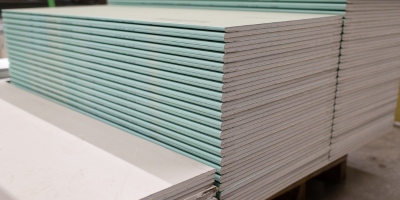
Drywall consists of a gypsum core pressed between two sheets of heavy paper. Gypsum is a naturally occurring mineral that gives drywall its fire-resistant and sound-dampening properties. Different types of drywall are available depending on the application, including moisture-resistant and fire-rated panels.
-
Plaster is an older method that involves applying wet material over lath in multiple coats. Drywall, by contrast, is installed in sheets and then taped, mudded, and sanded. Modern drywall installation is typically faster and more cost-effective while still producing smooth, durable results.
-
The most common drywall thickness for walls in homes is 1/2 inch. Ceilings and certain commercial applications may require thicker panels for added strength or fire resistance. The appropriate thickness depends on framing, spacing, and building requirements.
-
Standard drywall offers some natural fire resistance due to its gypsum core. Fire-rated drywall is also available and is commonly used in garages, multi-family housing, and commercial spaces where additional protection is required.
-
Sheetrock is actually a brand name of drywall. Much like people use “Kleenex” to refer to tissues, many people use “Sheetrock” to mean drywall in general. Sheetrock is a specific product manufactured by a drywall company, but structurally and functionally, it’s the same type of gypsum panel used to build interior walls and ceilings.
While most professionals simply say “drywall,” homeowners may use both terms interchangeably, and both refer to the same material used in residential and commercial construction.
Drywall Installation
-
While many homeowners attempt DIY drywall installation, it’s more challenging than it looks. Hanging sheets is only one step in the process. Achieving smooth seams, clean corners, and a professional finish requires skill, patience, and the right tools. Poor installation can lead to visible joints, cracks, or uneven walls.
-
Professional drywall work is as much an art as it is a trade. Experienced installers understand proper fastening, joint spacing, finishing techniques, and texture consistency. Hiring a professional helps ensure smooth, durable results that are ready for paint and built to last.
-
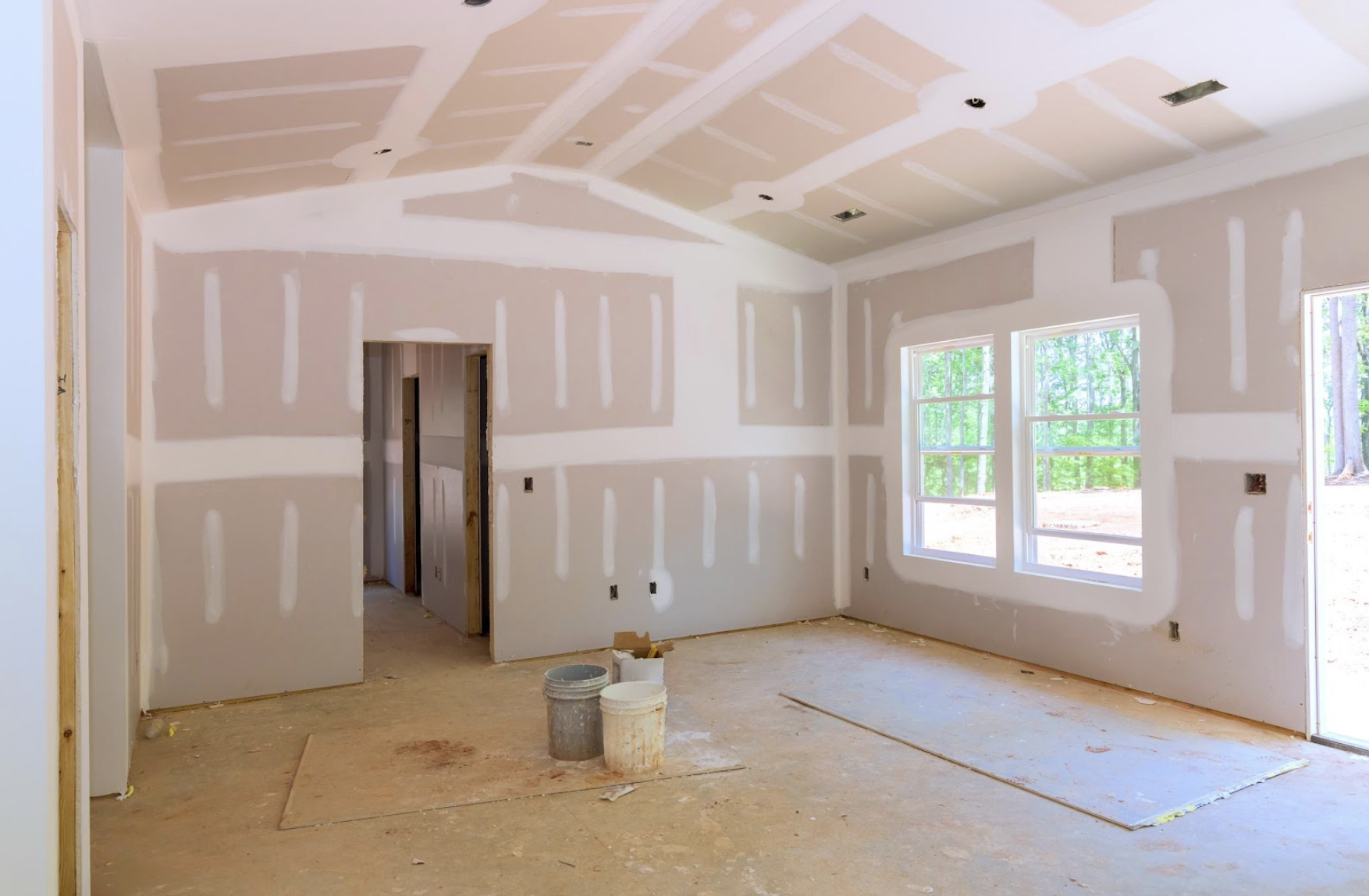
Professional drywall installation typically includes measuring and cutting panels, securing them to framing, taping joints, applying multiple coats of joint compound (mud), sanding for a smooth finish, and preparing the surface for texture or paint. Clean job sites and careful detail work make a noticeable difference in the final result.
-
Common mistakes include uneven seams, over-sanding, improper mud application, poorly finished corners, and visible fasteners. Texture inconsistencies are also difficult to correct once applied. These issues can affect both appearance and long-term durability.
-
Yes. New construction typically offers open access and clean framing. Remodels often require blending new drywall with existing surfaces, matching textures, and working carefully in occupied spaces. Experience matters even more when tying new work into older finishes seamlessly.
-
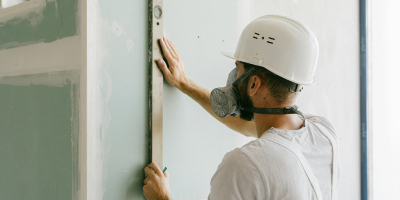
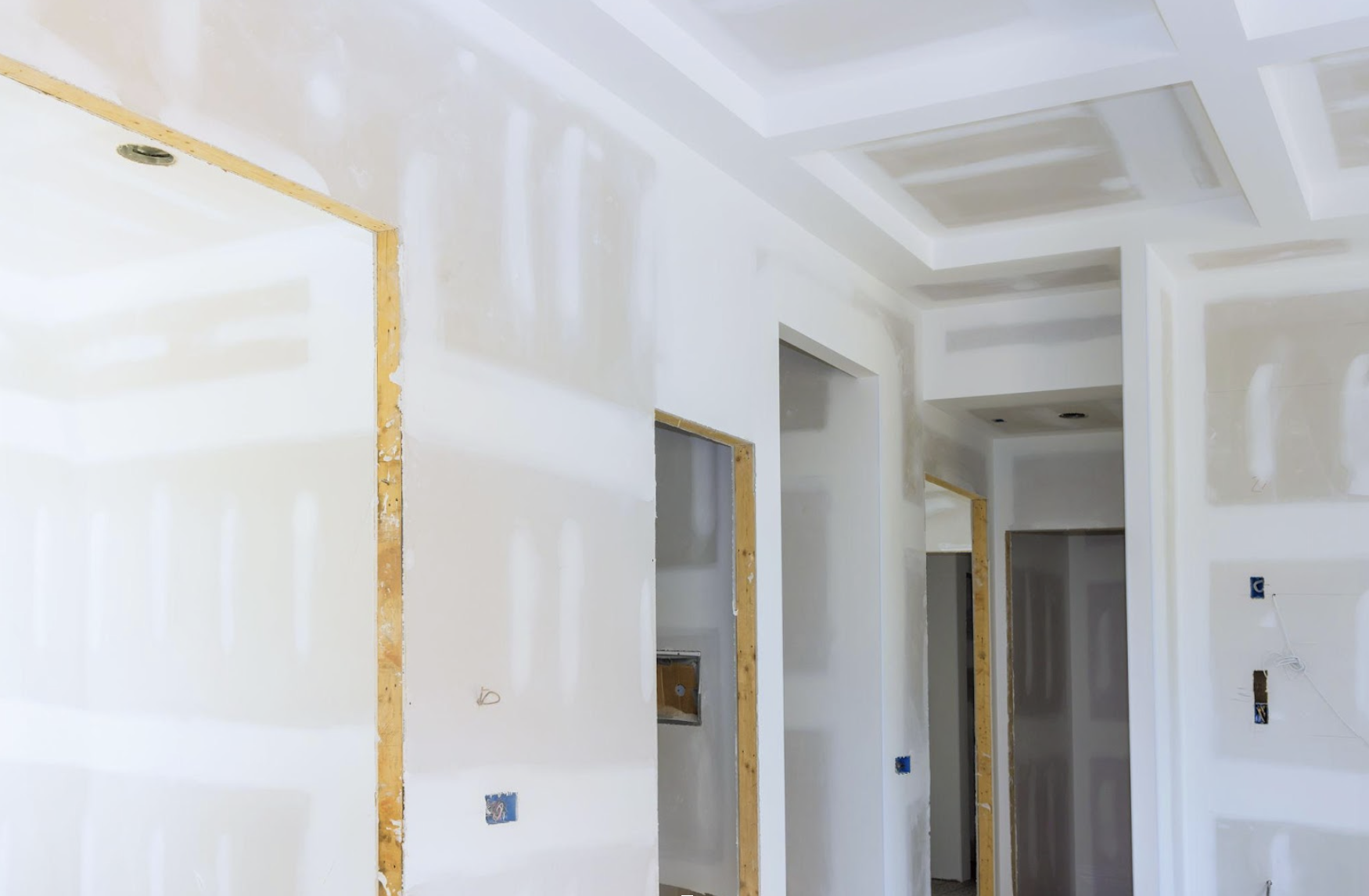
Drywall finishing is the process of taping joints, applying joint compound, sanding surfaces, and preparing walls or ceilings for texture or paint. Proper finishing determines how smooth and seamless the final surface appears.
-
Taping involves embedding joint tape over drywall seams to reinforce them. Mudding refers to applying joint compound over seams, corners, and fasteners to create a smooth surface. Multiple coats are applied and sanded between layers for a professional finish.
-
Common drywall textures include orange peel, knockdown, skip trowel, and smooth finishes. Texture choice often depends on home style, personal preference, and whether the new work needs to match existing walls.
-
Yes, texture matching is one of the most detailed parts of drywall finishing. Matching an existing texture requires skill, experience, and careful blending so repairs or additions don’t stand out from surrounding surfaces.
-
A smooth finish provides a clean, modern appearance but requires precise finishing to avoid visible imperfections. Textured finishes add dimension and can help conceal minor surface inconsistencies. Each option has its benefits depending on the look you want to achieve.
Drywall Finishing & Textures
Drywall Repair
-
Drywall repair depends on the size and cause of the damage. Small holes may be patched and blended, while larger damage may require cutting out the affected section and installing new drywall. Proper finishing ensures the repair blends seamlessly with the surrounding wall.
-
Drywall cracks can often be repaired successfully, but the honest answer is both yes and no. A proper repair reinforces the joint and blends the finish so it looks seamless and holds up well. However, natural seasonal expansion and contraction in a home can sometimes cause new cracks to form over time.
-
Replacement may be necessary if drywall has significant water damage, mold concerns, or structural deterioration. In many cases, however, localized damage can be repaired without replacing entire walls.
-
Common causes include water leaks, settling foundations, impact damage, humidity changes, and improper installation. Identifying the cause helps ensure repairs last.
-
Popcorn ceilings were popular in past decades but are often removed for a more modern appearance. Removal involves carefully scraping the texture, repairing the surface underneath, and refinishing for a clean, updated look.
-
Yes. Professional drywall contractors take care to minimize dust, protect surrounding areas, and maintain clean job sites. Clear communication and careful scheduling help reduce disruption in both residential and commercial spaces.
-
Yes. Drywall is a key component of most renovation projects. Whether updating a single room or supporting a larger remodel, dependable drywall installation and finishing ensures the final result looks polished and cohesive.
Specialty Drywall Services
Need Professional Drywall Work in Ravalli County?
With over 45 years of experience, Olbricht Drywall is a family-owned and locally operated contractor providing drywall installation, repair, finishing, texturing, popcorn ceiling removal, and remodeling support throughout Ravalli County, MT.
If you’re planning a project or need expert repairs, contact us today to request your drywall estimate.
Contact Us
READY TO START YOUR PROJECT?
Whether you need drywall installation, repairs, or remodeling support, we’d love to hear from you. Use the form here to request a quote or ask a question, we’ll get back to you promptly.